What is a welded pipe production line?
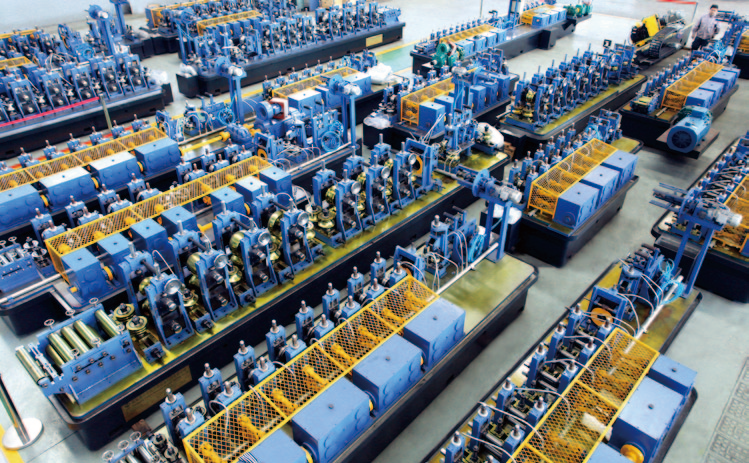
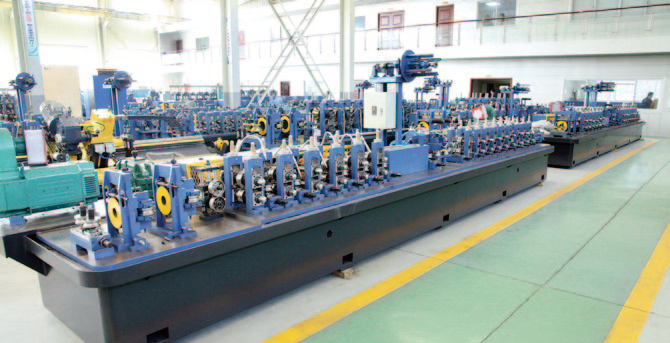
A welded pipe production line is a complete equipment system used to turn steel strip into welded steel pipe or tube. In a typical ERW line, the strip is uncoiled, formed into tube shape, welded by high-frequency welding, sized, cut and transferred for handling or packing.
For overseas buyers, this is usually not a single machine purchase. A practical project may include ERW tube mill line, roll tooling, steel coil slitting line, auxiliary equipment, electrical control, factory layout planning, installation support and operator training.
The right production line depends on the buyer market. Construction pipe, scaffolding pipe, furniture tube, greenhouse pipe, automotive tube and structural steel tube can require different tube sizes, wall thickness, material grades and production targets.
Start from the finished pipe product
The first planning step is not choosing a machine model. It is confirming what pipe the factory wants to sell. Buyers should prepare round pipe OD, square or rectangular tube size if needed, wall thickness, pipe length, material and target application.
If the product list is not final, write "to be confirmed based on project requirements" for the uncertain items. A responsible tube mill manufacturer can then help review the possible production range instead of forcing a false parameter too early.
This product-first approach helps avoid a common mistake: buying a line that looks suitable on paper but cannot cover the real market demand after installation.
Main equipment scope of a complete line
A complete ERW welded pipe production line may include uncoiler, shear and butt welder, accumulator, forming mill, high-frequency welding system, cooling section, sizing mill, flying saw cutting machine, run-out table, electrical control and tube mill rolls.
Depending on the project, the scope may also include steel coil slitting line, packing support, auxiliary machines, spare parts and installation tools. Buyers should ask the supplier to list what is included, what is optional and what needs a separate quotation.
This scope check is important because two quotations with similar titles can be very different. One offer may include tooling and installation support, while another may quote only the main mill body.
Choose the right production route
For round welded steel pipe, an ERW tube mill line is usually the main route. The line can be planned according to pipe OD, wall thickness, material, target line speed, pipe length and workshop layout.
If square and rectangular tube are also required, the buyer should compare a normal round-to-square route with a direct forming square tube mill. The better route depends on product mix, size change frequency, tooling budget and whether square tube is the main business direction.
For a new pipe factory, the production route should be discussed before the building layout is fixed. This makes it easier to plan coil loading, line direction, finished pipe handling and future expansion.
Steel coil preparation and slitting line planning
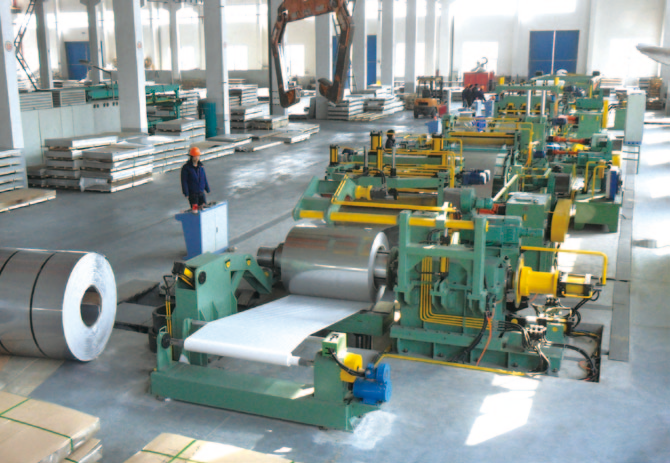
A tube mill uses steel strip with a suitable width for each pipe size. If the factory buys wide coils, a steel coil slitting line may be needed to prepare strip before pipe production.
Some factories begin by purchasing prepared strip from outside suppliers. Others prefer in-house slitting to control strip inventory, quality and delivery schedule. The better choice depends on production volume, local raw material supply and budget.
When planning a complete steel pipe production line, coil slitting should not be treated as a separate afterthought. Strip width, coil weight, material flow and storage space can affect the daily operation of the tube mill.
Workshop layout for a new pipe factory
Workshop layout affects equipment direction, material movement, operator space, maintenance access and finished pipe handling. Before confirming the line, buyers should check workshop length, width, crane height, power supply, foundation condition and loading area.
A simple layout drawing is very useful. It helps the engineering team review whether the run-out table has enough space, whether coils can be loaded safely and whether the finished pipe can be moved without blocking production.
If the building is still being planned, the supplier can usually provide a layout direction. If the workshop already exists, the line should be customized around the real site condition instead of forcing a standard drawing.
Capacity, line speed and realistic output
Buyers often ask for line speed first, but real output depends on tube size, wall thickness, material, welding condition, cutting length, operator skill, size changes and factory shift plan.
A high line speed number is not useful if the machine cannot run stably with the buyer material and product range. It is better to discuss expected production capacity together with pipe size and wall thickness.
For quotation, send the target output or expected shift plan if available. If the data is not confirmed, write "to be confirmed based on project requirements" and let the supplier review the configuration direction.
Roll tooling and size change planning
Tube mill rolls are a key part of welded pipe production. They affect forming stability, pipe shape, size accuracy, surface condition and changeover time.
A factory that produces many sizes should discuss the roll tooling plan early. Ask which sizes need dedicated tooling, whether some sizes can share part of the roll plan and how future product expansion can be handled.
For square or rectangular tube production, tooling planning is especially important. Buyers should compare roll cost, changeover workload and production route before confirming the final line scope.
Quality control and pre-shipment inspection
For a customized welded pipe production line, the buyer should ask what can be checked before shipment. This may include machine assembly, main component list, electrical cabinet, appearance, packing preparation and loading arrangement.
Not every production condition can be fully tested before the line reaches the buyer factory, because final material, foundation and local utilities may be different. Even so, a responsible supplier should explain what can be inspected at the factory and what will be adjusted during commissioning.
Clear inspection communication helps reduce misunderstanding and gives overseas buyers more confidence before shipment.
Auxiliary equipment, packing and future expansion
Many projects need more than the main tube mill. Depending on the factory plan, auxiliary equipment may include coil preparation, pipe handling, packing support, spare parts, roll storage and maintenance tools.
Buyers should also think about future expansion. If the market may require new tube sizes later, discuss whether the selected line has enough room in machine strength, tooling plan, workshop layout and raw material preparation.
A practical welded tube production line should support the first product plan while leaving reasonable space for business growth.
Installation, commissioning and operator training
Overseas projects need clear support after the machine arrives. Installation and commissioning may include machine positioning, leveling, electrical connection, roll adjustment, welding setup, cutting synchronization and trial production.
Operator training is also important for a new pipe factory. The team needs to understand size change, welding adjustment, daily maintenance, safety points and common production checks.
Before ordering, confirm whether support is remote, on-site or both. Also confirm what the buyer should prepare before installation, including crane, tools, foundation, power supply and raw material for testing.
How to compare welded pipe line quotations
Do not compare only the total price. Compare equipment scope, pipe range, wall thickness, material direction, welding system, cutting system, tooling scope, control system, spare parts, packing, installation and after-sales support.
A lower price may not be better if important equipment or services are missing. Ask each supplier to provide a clear list of included items and optional items, so the comparison is fair.
A useful quotation should help the buyer understand the production route, equipment configuration and project responsibility, not only the machine name.
Information to send before requesting a proposal
To receive a practical technical proposal, send tube shape, round pipe OD range, square or rectangular tube size if needed, wall thickness, material, pipe length, target application, expected line speed or capacity and workshop drawing.
Also explain whether this is a new pipe factory, an existing line upgrade or a replacement project. If coil slitting, packing, spare parts or overseas installation support are needed, include these points in the inquiry.
With this information, the engineering team can recommend a suitable ERW tube mill line, steel pipe making machine, direct forming square tube mill, steel coil slitting line or complete tube mill solution.
Buyer checklist before ordering
Before placing an order, confirm product range, equipment scope, tooling plan, layout direction, delivery scope, installation support, spare parts, inspection method and payment or shipment terms.
For overseas buyers, it is also useful to review supplier factory capability, export communication, certificates, patents, previous export markets and after-sales response process.
A welded pipe production line is long-term production equipment. The better the planning before quotation, the easier the project will be to install, start and operate.
For equipment selection, visit ERW Tube Mill Line, Steel Pipe Making Machine, Direct Forming Square Tube Mill, Steel Coil Slitting Line or Tube Mill Solutions.