Why ERW tube mill selection matters
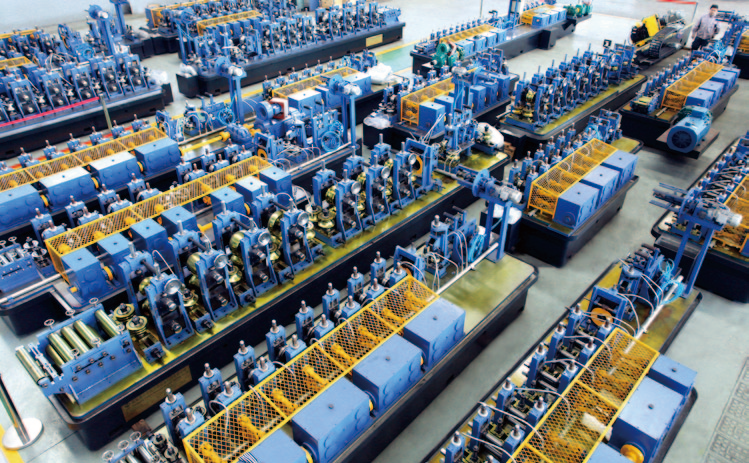
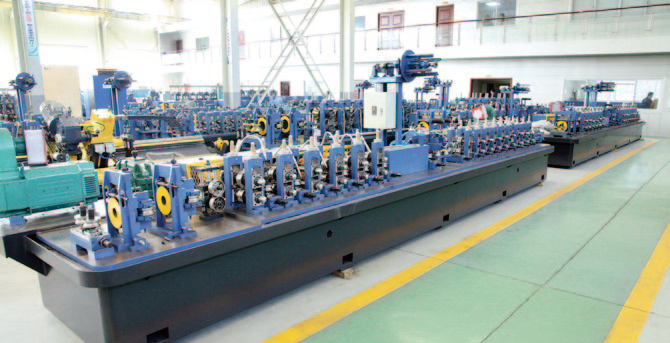
An ERW tube mill line is the core equipment for producing welded steel pipe from steel strip. It forms the strip, welds the seam, sizes the pipe, cuts it to length and transfers the finished pipe to the run-out area.
For a new pipe factory, choosing the wrong ERW pipe mill can create long-term problems: unstable forming, slow production, difficult roll changes, layout conflict or a line that cannot cover the real product range. A good selection process starts from the finished pipe, not from a machine model name.
Start with the pipe product range
Before comparing suppliers, prepare a simple product list. Include round pipe OD, wall thickness, pipe length, material, target application and whether square or rectangular tube will also be produced.
If round welded pipe is the main product, an ERW tube mill line is usually the right starting point. If the factory mainly produces square and rectangular tube with frequent size changes, it is better to compare the ERW round-to-square route with a direct forming square tube mill.
Match wall thickness and material to machine strength
Wall thickness and material decide the forming load, welding power, mill stand strength and cutting system. Light furniture tube production and heavy structural pipe production should not be planned with the same machine configuration.
Hot rolled steel strip, cold rolled steel strip and galvanized steel strip may also require different handling and welding considerations. A serious tube mill manufacturer should ask for material details before confirming the proposal.
Choose a realistic capacity and line speed
Many buyers ask for the highest possible line speed, but the best line speed depends on pipe size, wall thickness, welding power, cutting length, operator skill and downstream handling. A very high speed is not useful if the workshop cannot handle finished pipe flow.
For quotation, it is better to provide a target output range or expected shift plan. The supplier can then match the forming section, high-frequency welding system, flying saw and run-out table more realistically.
Check the complete equipment scope
A complete welded pipe production line usually includes uncoiler, shear and butt welder, accumulator, forming mill, high-frequency welding system, cooling section, sizing mill, flying saw cutting machine and run-out table.
Buyers should also confirm whether tube mill rolls, spare parts, electrical control system, packing support and steel coil slitting line are included or quoted separately. This avoids comparing two quotations that look similar but cover different scopes.
Plan the workshop layout before confirming the order
Workshop length, crane height, power supply, foundation condition, raw material flow and finished pipe storage should be checked before finalizing the ERW pipe mill model.
For overseas projects, even a rough workshop drawing is useful. It helps the engineering team decide the line direction, coil loading area, operator space, maintenance access and finished pipe handling route.
When a coil slitting line is needed
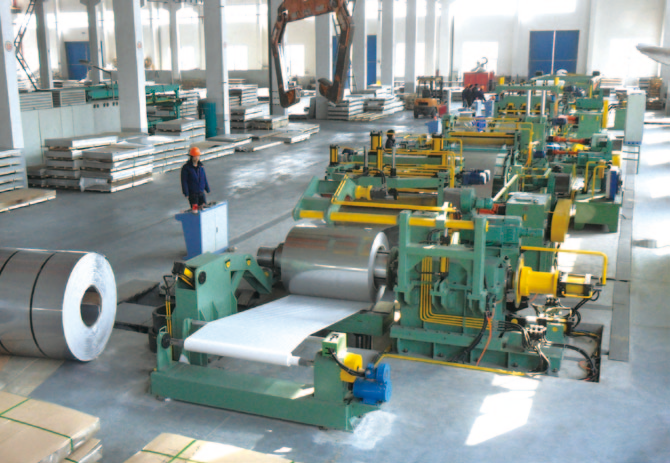
An ERW tube mill requires steel strip with a suitable width for each pipe size. If the buyer receives wide coils, a steel coil slitting line may be needed to prepare strip width before pipe forming.
For a new pipe factory, the slitting line can be planned together with the tube mill project. This makes raw material preparation, strip storage and production flow easier to manage.
Common mistakes buyers should avoid
Do not choose only by the lowest machine price. A cheaper configuration may have a smaller production range, weaker stand structure, incomplete tooling scope or limited after-sales support.
Do not request a quotation with only one sentence such as "I need a tube mill." Without pipe size, wall thickness, material and capacity target, the supplier can only give a rough answer, not a useful technical proposal.
Do not ignore installation and commissioning support. For a new pipe factory, operator training, line adjustment guidance and spare parts communication are important for getting the first production period under control.
Quotation checklist for an ERW tube mill line
Before requesting a proposal, prepare these details: pipe shape, round pipe OD range, wall thickness range, material, pipe length, target application, expected line speed or capacity, workshop size, power supply and whether the project is a new factory or an existing line upgrade.
If some data is not confirmed yet, mark it as "to be confirmed based on project requirements." A good supplier can help you review the missing points and recommend a practical ERW tube mill line configuration.
For equipment selection, visit ERW Tube Mill Line, Steel Pipe Making Machine, Direct Forming Square Tube Mill, Steel Coil Slitting Line or Tube Mill Solutions.